
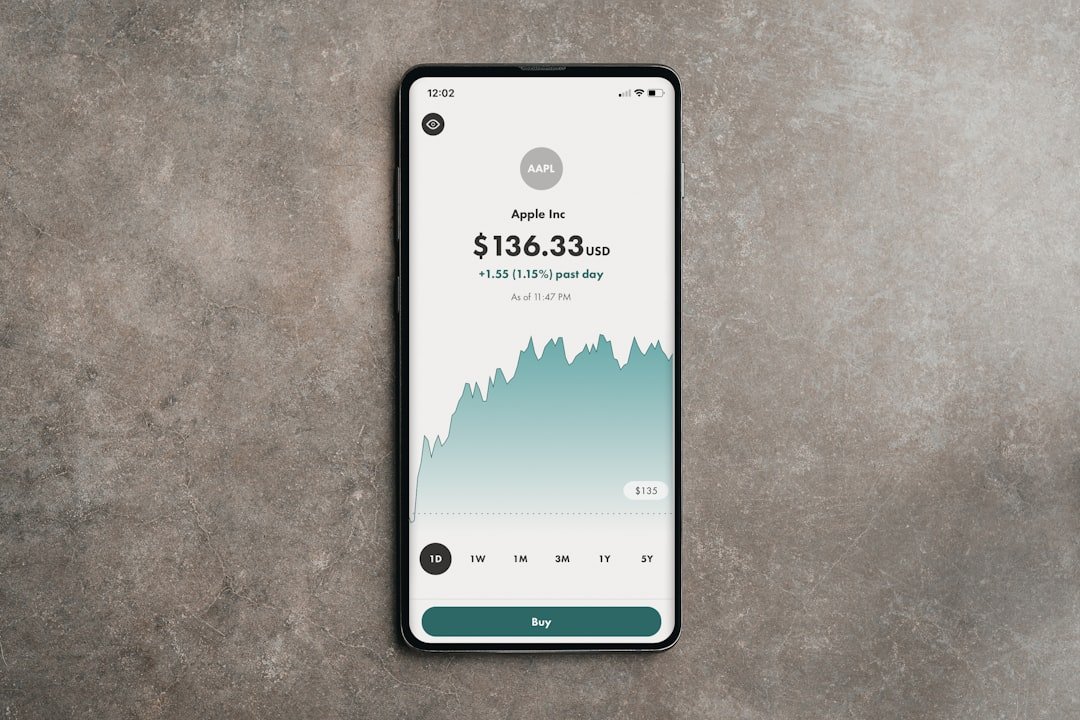
In an increasingly digital world, almost every aspect of our lives has moved online, from ordering groceries to connecting with loved ones across continents. Financial management is no exception. Gone are the days when opening a new bank account necessitated a trip to a physical branch, waiting in line, and filling out reams of paperwork. Today, the power to manage and grow your money is literally at your fingertips, thanks to the widespread availability and growing popularity of online savings accounts. This shift isn’t just about convenience; it represents a fundamental change in how we interact with our finances, offering unparalleled accessibility, often higher returns, and a streamlined experience designed for the modern saver.
The Digital Revolution of Savings
The financial landscape has undergone a dramatic transformation over the past two decades. What began as a niche offering from a few forward-thinking institutions has blossomed into a mainstream banking solution, with virtually every major bank and countless fintech companies now providing robust online platforms. This evolution has democratized access to high-quality financial services, making it easier than ever for individuals to take control of their savings and work towards their financial goals.
Evolution from Traditional Banking
Historically, banking was a very localized, brick-and-mortar affair. Trust was built on physical presence, and transactions required in-person interaction. While traditional banks still serve a vital role, the digital age has introduced a paradigm shift. Online-only banks, or the online divisions of traditional banks, operate with significantly lower overhead costs – no massive network of physical branches, fewer tellers, and reduced utility bills. These cost savings are frequently passed on to the customer in the form of higher interest rates on savings accounts and lower, or even no, monthly fees. This model has proven particularly appealing to younger generations and tech-savvy individuals who prioritize efficiency and value over face-to-face interactions.
Key Advantages of Online Savings
The benefits of opening a savings account online are compelling and numerous. Chief among them is the potential for significantly higher interest rates. Because online banks have lower operating costs, they can afford to offer Annual Percentage Yields (APYs) that often far outpace those offered by traditional banks. This means your money works harder for you, growing at a faster rate through compounding interest. Furthermore, online accounts are frequently associated with lower or zero monthly maintenance fees, allowing you to keep more of your hard-earned money. Accessibility is another major advantage; you can manage your account, transfer funds, and check balances 24/7 from anywhere with an internet connection, whether it’s from your couch, a coffee shop, or halfway across the world. The ease of management, often facilitated by intuitive mobile apps and user-friendly websites, makes budgeting, tracking expenses, and setting savings goals simpler than ever before.
Preparing for Your Online Savings Journey
While the process of opening an online savings account is designed to be straightforward, a little preparation can make it even smoother. Knowing what to expect and having the necessary information on hand will ensure a quick and hassle-free application.
What You’ll Need
Before you begin, gather the following essential pieces of information and documents. While requirements can vary slightly between institutions, these are generally standard:
- Personal Identification: A government-issued ID, such as a driver’s license, state ID, or passport. You might need to upload a clear image of it.
- Social Security Number (SSN) or Individual Taxpayer Identification Number (ITIN): This is crucial for identity verification and tax reporting purposes.
- Date of Birth and U.S. Residential Address: To confirm you meet age requirements and for official correspondence.
- Contact Information: A valid phone number and email address.
- Existing Bank Account Information: You’ll typically need the routing and account numbers of an existing checking or savings account from which you’ll make your initial deposit. This is usually for an ACH transfer.
- Employment Information (Optional): Some banks may ask for your employer’s name and address, though this is less common for basic savings accounts.
Choosing the Right Account for You
Not all online savings accounts are created equal. To find the best fit for your financial goals, consider the following factors:
- Interest Rates (APY): This is often the primary draw. Compare APYs across different banks, but also check if the rate is variable and how often it might change. Remember that higher APYs can significantly boost your savings over time.
- Fees: Scrutinize the fee schedule. Look for accounts with no monthly maintenance fees, no minimum balance fees, and reasonable charges for services like wire transfers or excessive withdrawals.
- Minimum Balance Requirements: Some accounts require a minimum initial deposit or a minimum ongoing balance to avoid fees or earn the advertised APY. Ensure you can meet these requirements comfortably.
- Customer Service: Even with online banking, you’ll occasionally need human assistance. Check for robust customer support options, including phone, email, and live chat, and read reviews about their responsiveness.
- Mobile App and Online Platform Features: A good user experience is key. Look for intuitive apps that offer features like mobile check deposit, easy transfers, budgeting tools, and personalized insights.
- FDIC Insurance: Always ensure the bank is FDIC-insured. This protects your deposits up to $250,000 per depositor, per insured bank, in the event of a bank failure. Most reputable online banks are FDIC-insured.
Step-by-Step Guide to Opening an Online Savings Account
Once you’ve done your research and gathered your documents, the actual application process is surprisingly quick and intuitive. Here’s a general roadmap:
Research and Compare
Start by using online comparison websites or visiting the websites of several well-regarded online banks. Pay close attention to the APY, fee structure, minimum deposit, and any special features that align with your needs. Read customer reviews to get a sense of their service quality and user experience.
Gather Your Documents
As outlined above, have your ID, SSN, and existing bank account details readily accessible. This will prevent interruptions during the application.
Complete the Online Application
Navigate to the bank’s website and look for a prominent button or link labeled









Leave a Reply